Ultimate Guide to Hiking the Three Capes Track
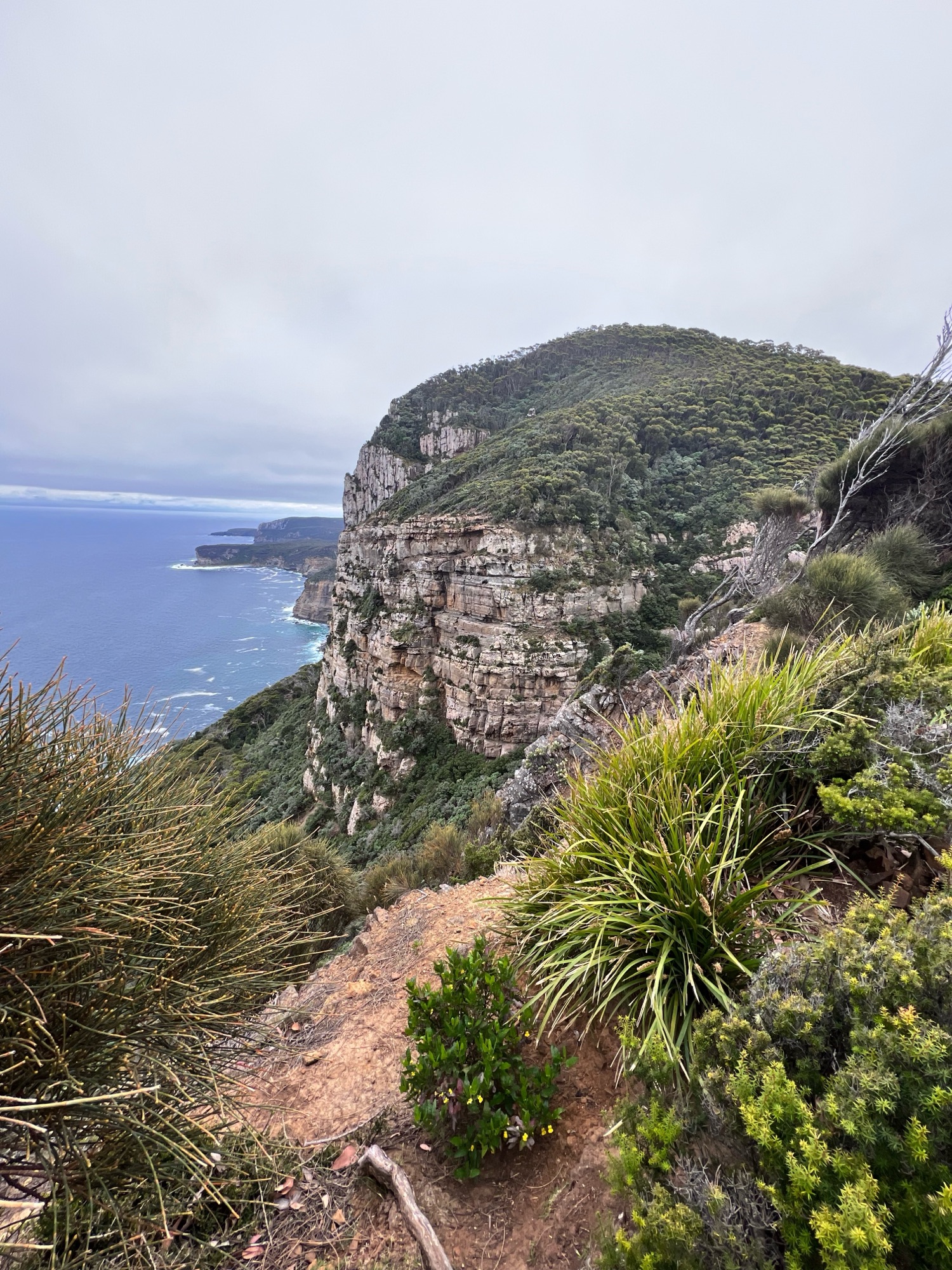
Tasmania has some very beautiful, and rugged coastlines. It is home to some of the most spectacular hiking experiences in the world. Among these is the famous Three Capes Track, a multi-day hike that showcases this stunning beauty.
Three Capes Hiking Track
The Three Capes Track is a well-maintained, 48km track that takes 4D/3N to finish. The hike features a mix of terrains, including boardwalks, well-defined paths, and natural surfaces. The trail is suitable for a range of fitness levels, although some sections can be challenging due to elevation changes.

During the hike you stay in eco-friendly cabins with great facilities. These cabins offer a cozy resting place after a day of hiking, filled with stunning views and modern amenities. Reservations are required, as the number of hikers is limited to give you a quality experience. You can book accommodation through the official website here; Three Capes Track.

Not only is this hike beautiful but there is also an abundance of wildlife. Keep your eyes out for wallabies and pademelons. You will also find many bird species, including the beautiful and rare Tasmanian native hen.
Your Itinerary
Day 1
Distance: 4 km / Time: 1.5 – 2 hours
Today you will arrive at Port Arthur Historic Site in the morning. Allow at least 60-90 minutes before your scheduled boat departure to explore the site. This is included in your hiking ticket and gives you a great insight into Tasmania’s convict history.
At your scheduled time, take your ticket and board the Pennicott Wilderness Journeys boat. It is an eco-cruise that takes you to Denmans Cove. This is a 75-minute journey. You will have breathtaking views of the tallest sea cliffs in the Southern Hemisphere during this cruise. You can also spot wildlife like seals, whales and birds.
When you arrive at Denmans Cove your hike begins. You will hike through eucalypt woodland and coastal heath to the Surveyors Cabin. In the evening you can relax with your cooked dinner on the panoramic deck taking in views of Cape Raoul.
Day 2
Distance: 11 km / Time: 4 – 4.5 hours
Depart Surveyors Cabin and head into fragrant eucalypt forests and colourful heathlands. Climb to Arthur’s Peak for stunning views of Crescent Bay and Cape Raoul. Traverse the broad, windswept Ellarwey Valley and descend into the shelter of the forest. Arrive at Munro Cabin, your home for the night.

Day 3
Distance: 19 km / Time: 6 hours
This morning you will leave the cabin a little lighter. First, head towards Cape Pillar with your day packs. Then scale the Blade at Cape Pillar for breathtaking views of Tasman Island. After taking it all in, return to Munro Cabin and grab all your belongings. Continue your hike through fragrant forest and heathland to Retakunna Cabin, where you’ll spend the night.

Day 4
Distance: 14 km / Time: 6 – 7 Hours
Rise early for the final climb up Mount Fortescue. The hike up is a little hard but before you know it you will be rewarded. Venture out to the tip of Cape Hauy for stunning views of the coast. You might have the chance to see rock climbers on the Totem Pole. After sitting and relaxing for a while, begin your descent towards the beautiful Fortescue Bay. Enjoy a refreshing swim in the bay if the weather permits and you still have time. Catch the bus transfer back to Port Arthur Historic Site (30-minute ride). Choose from the 2:30 PM or 4:00 PM bus.

Each overnight stop is equipped with gas cooktops, comfy mattresses, and dining areas for shared meals.
Getting There
Flights: You can find flights to Hobart from major Australian cities. Direct flights are available, and the airport is approximately 15 km (9 miles) from the city center.
Hobart to Port Arthur by Rental Car.
From Hobart, take the Tasman Highway (A3) towards Sorell, then follow signs to Port Arthur. This option offers flexibility for exploring the area.
Hobart to Port Arthur by Public Transport
There are limited public bus services from Hobart to Port Arthur, operated by the Tasmanian public transport system. Check the Tasmania Metro website for schedules and routes.
Metro Tasmania is the public transport provider in Tasmania. You can check the bus routes and timetables to see if there are services from Hobart to Port Arthur. Keep in mind that services are be limited, so it’s essential to check the schedule in advance.
Hobart to Port Arthur by Shuttle Service
Some companies offer shuttle services from Hobart to Port Arthur, particularly for hikers. You can book these services in advance, and they may also provide guided tours or additional services.
Once you arrive in Port Arthur, go to the Three Capes Track Visitor Centre. Check in and get your track passes and information. The visitor centre is the starting point for the hike and typically opens at 8:30 AM.

Packing List
Clothing
- Hiking Boots: Sturdy, waterproof hiking boots for support and protection.
- Hiking Socks: Moisture-wicking and cushioned socks (bring extra pairs).
- Base Layers: Lightweight, moisture-wicking long-sleeve shirts and/or t-shirts.
- Insulating Layer: A fleece or down jacket for warmth in cooler temperatures.
- Rain Jacket: Waterproof and breathable jacket to protect against rain and wind.
- Hiking Pants/Shorts: Quick-drying, comfortable hiking pants or shorts.
- Hat: A wide-brimmed hat for sun protection.
- Gloves: Lightweight gloves for colder days (if needed).
- Buff or Neck Gaiter: For added warmth and protection from the elements.
Camping Gear
- Daypack: A comfortable, lightweight daypack to carry your essentials.
- Sleeping Bag: A lightweight sleeping bag suitable for the season (huts typically provide bedding).
- Sleeping Pad: Optional, huts usually have mattresses, but a lightweight pad can add comfort.
Cooking and Eating
- Reusable Water Bottle or Hydration System: At least 2 liters capacity to stay hydrated.
- Food: Snacks (trail mix, energy bars, etc.) for hiking days and dinner/lunch for the huts.
- Utensils: Lightweight spork or spoon, and a small knife (if needed).
- Cooking Gear: Optional if you plan to cook; many huts have cooking facilities.
- Trash Bags: To pack out any waste.
Personal Items
- First Aid Kit: Basic first aid supplies (band-aids, antiseptic wipes, pain relief medication).
- Sunscreen: High SPF sunscreen to protect against UV rays.
- Insect Repellent: To ward off insects, especially in warmer months.
- Personal Hygiene Items: Travel-sized toiletries, toothbrush, toothpaste, and biodegradable soap.
- Towel: Quick-dry towel for personal use.
- Toilet Paper: Bring your own, as it may not be provided in all huts.
Navigation and Safety
- Map and Compass or GPS: For navigation, although the track is well-marked.
- Headlamp or Flashlight: With extra batteries for evening use.
- Multi-tool or Knife: Useful for various tasks.
- Emergency Whistle: For signaling if needed.
Optional Items
- Camera: To capture the stunning scenery.
- Binoculars: For birdwatching and spotting wildlife.
- Notebook and Pen: For journaling your experiences.
- Lightweight Camping Chair: If you prefer extra comfort during breaks.
Tips for Packing
- Pack Light: Aim to keep your pack weight manageable (ideally around 10-15 kg or 22-33 lbs).
- Use Compression Bags: To save space and keep clothing dry.
- Layering: Use a layering system for clothing to adjust to changing weather conditions.
Meal Plan for the Three Capes Track
Here’s a simple and nutritious meal plan for the Four-Day Three Capes Track hike. It is designed to provide you with the energy needed for hiking. The plan is lightweight and easy to prepare. The meal plan includes breakfast, lunch, dinner, and snacks for each day.
Day 1:
Breakfast: Instant oatmeal packets and dried fruit
Lunch: Whole grain wraps with: Hummus, chicken, lettuce and Cheese
Dinner: Freeze-dried meal with instant mashed potatoes with mixed vegetables
Snacks: Trail mix (nuts, seeds, dried fruit, and dark chocolate) and Energy Bars
Day 2:
Breakfast: Instant cereal or granola (add hot water or milk powder) with fresh fruit
Lunch: Pita bread with tuna, mayonnaise (in a small squeeze pack), mixed greens and cucumber slices
Dinner: Dehydrated pasta with tomato sauce (just add hot water) Grated cheese (optional, can be added before serving)
Snacks: Nut butter packets with crackers and Jerky (beef, turkey, or vegetarian options)
Day 3:
Breakfast: Instant pancakes or muffins (just add water) with Maple syrup (in a small container)
Lunch: Couscous salad with cherry tomatoes, Feta cheese, olive oil and lemon juice in a small bottle
Dinner: Dehydrated chili or stew (just add hot water) with rice or quinoa (pre-cooked and dehydrated)
Snacks: Granola or protein bars and fresh fruit (apple, orange, or banana)
Day 4:
Breakfast: Instant oatmeal packets (add hot water) with dried fruit
Lunch: Whole grain bread with peanut butter or almond butter and sliced bananas or honey
Dinner: Freeze-dried or dehydrated meal (just add hot water)
Snacks: Trail mix and dark chocolate or energy bites
Dehydrated Vegetable Pasta
Ingredients:
- 1 cup pasta (whole wheat or your choice)
- 1 cup mixed vegetables (e.g., bell peppers, broccoli, carrots, peas)
- 1/2 cup marinara sauce (dehydrated or homemade)
- 1 tablespoon olive oil (optional)
- 1/2 teaspoon garlic powder
- 1/2 teaspoon onion powder
- Salt and pepper to taste
Instructions:
- Cook Pasta: Boil pasta. Drain and set aside.
- Prepare Vegetables: Blanch mixed vegetables in boiling water for 1-2 minutes, then drain and cool quickly in ice water. Drain again.
- Combine Ingredients. In a bowl, mix cooked pasta and blanched vegetables. Add marinara sauce, olive oil (if using), garlic powder, onion powder, salt, and pepper.
- Dehydrate: Spread the mixture evenly on a dehydrator tray or a baking sheet lined with parchment paper. Dehydrate at 125°F (52°C) for 6-8 hours or until completely dry.
- Package: Once dried, break up the mixture and store it in a resealable bag or airtight container.
Cooking Instructions on the Trail:
- Add 1 cup of boiling water to the dehydrated meal in a pot or bowl.
- Stir, cover, and let it sit for about 10-15 minutes until rehydrated.
- Enjoy your pasta!
Dehydrated Chili
Ingredients:
- 1 pound ground beef or turkey (or use lentils for a vegetarian option)
- 1 cup kidney beans (canned or cooked, drained)
- 1 cup diced tomatoes (canned or fresh)
- 1/2 cup bell peppers, diced
- 1/2 cup onion, diced
- 1 tablespoon chili powder
- 1 teaspoon cumin
- 1/2 teaspoon garlic powder
- 1/2 teaspoon salt
- 1/4 teaspoon black pepper
Instructions:
- In a skillet, cook the ground beef or turkey until browned. Drain excess fat.
- Add kidney beans, diced tomatoes, bell peppers, onion, chili powder, cumin, garlic powder, salt, and black pepper to the skillet. Simmer for about 20 minutes, allowing the flavors to meld.
- Cool and Dehydrate: Allow the chili to cool slightly. Spread the mixture evenly on a dehydrator tray or a baking sheet lined with parchment paper. Dehydrate at 125°F (52°C) for 6-8 hours or until completely dry.
- Package: Once dried, break up the mixture and store it in a resealable bag or airtight container.
Cooking Instructions on the Trail:
- Add 1 cup of boiling water to the dehydrated chili in a pot or bowl.
- Stir, cover, and let it sit for about 15-20 minutes until rehydrated.
- Enjoy your hearty chili!
Physical training before the hike
Preparing for the Three Capes Track hike requires building endurance, strength, and flexibility. Here’s a suggested 8-week exercise program to help you get fit for the hike. The program includes cardiovascular exercises. It also includes strength training and flexibility work.
8-Week Exercise Program for the Three Capes Track
Weekly Structure:
- Days per week: 4-5 days
- Rest: 1-2 rest days (active recovery encouraged)
- Duration: Aim for 30-60 minutes per session, gradually increasing as you progress.
Week 1-2: Building a Foundation
Focus: Establish a routine and build basic endurance.
Monday: Cardio
- 30 minutes of brisk walking or light jogging.
Tuesday: Strength Training
- Bodyweight exercises (2 sets of 10-15 reps):
- Squats
- Push-ups (knee or regular)
- Lunges (alternating legs)
- Plank (hold for 20-30 seconds)
Wednesday: Active Recovery
- Light yoga or stretching for 20-30 minutes.
Thursday: Cardio
- 30 minutes of cycling, swimming, or hiking on flat terrain.
Friday: Strength Training
- Repeat Tuesday’s exercises, aiming for proper form.
Saturday: Long Walk/Hike
- 1-2 hours on flat or gentle terrain, focusing on time on your feet.
Sunday: Rest Day
Week 3-4: Increasing Intensity
Focus: Increase the duration and intensity of workouts.
Monday: Cardio
- 40 minutes of brisk walking or light jogging.
Tuesday: Strength Training
- Bodyweight exercises (3 sets of 10-15 reps):
- Squats (add weight if comfortable)
- Push-ups (regular)
- Lunges (add weight if comfortable)
- Plank (hold for 30-45 seconds)
Wednesday: Active Recovery
- Light yoga or stretching for 30 minutes.
Thursday: Cardio
- 40 minutes of cycling, swimming, or hiking with some elevation gain.
Friday: Strength Training
- Repeat Tuesday’s workout, focusing on increasing weights or reps.
Saturday: Long Hike
- 2-3 hours on a local trail with varied terrain.
Sunday: Rest Day
Week 5-6: Building Endurance and Strength
Focus: Further increase intensity with longer hikes and more challenging workouts.
Monday: Cardio
- 50 minutes of jogging or fast walking.
Tuesday: Strength Training
- Circuit (3 sets):
- Squats (add weight if comfortable)
- Push-ups (vary with incline or decline)
- Step-ups (using a sturdy bench or step)
- Side planks (hold for 20-30 seconds each side)
Wednesday: Active Recovery
- Yoga or stretching for 30-45 minutes, focusing on hip and leg flexibility.
Thursday: Cardio
- 50 minutes of hiking or trail running, incorporating hills.
Friday: Strength Training
- Repeat Tuesday’s circuit, aiming to increase weights or reps.
Saturday: Long Hike
- 3-4 hours on a local trail with elevation gain, carrying a pack with weight to simulate hiking conditions.
Sunday: Rest Day
Week 7-8: Final Preparations
Focus: Peak training with longer hikes and maintaining strength.
Monday: Cardio
- 1 hour of jogging or walking.
Tuesday: Strength Training
- Circuit (3 sets):
- Squats (add weight)
- Push-ups
- Lunges (weighted)
- Plank (hold for 45-60 seconds)
Wednesday: Active Recovery
- Light yoga or stretching for 30-45 minutes.
Thursday: Cardio
- 1 hour of hiking with a loaded pack, focusing on elevation.
Friday: Strength Training
- Repeat Tuesday’s workout, increasing intensity if possible.
Saturday: Long Hike
- 4-5 hours on varied terrain, simulating hiking conditions with a backpack.
Sunday: Rest Day
Tips
- Adjust the intensity and duration based on how you feel. If you experience pain or excessive fatigue, take extra rest.
- Stay hydrated and maintain a balanced diet to support your training.
- Incorporate stretching into your routine to improve flexibility and reduce the risk of injury.
- As you get closer to your hike, practice hiking with the pack you plan to use. This will help you get accustomed to the weight.
By following this program, you should build the necessary endurance and strength. This will help you enjoy the Three Capes Track hike. It will also allow you to make the most of your experience in Tasmania!
Treasure your memories with The Hikers Journal